Discover fascinating clay shooting facts, from its origins to Olympic events. Learn how this precision sport became popular worldwide.
Clay shooting is a precision sport that combines skill, focus, and timing, and these clay shooting facts reveal why it continues to attract enthusiasts around the world. From its early origins replacing live bird shooting to its modern Olympic disciplines, clay shooting has evolved into a highly structured and competitive activity. In this guide, you will discover how the sport began, what makes it unique, and why it remains popular today. Whether you are curious or just enjoy learning something new, these clay shooting facts will give you a deeper understanding in a simple and engaging way.
Interesting Clay Shooting Facts You Should Know
Fact 1: It replaced live bird shooting
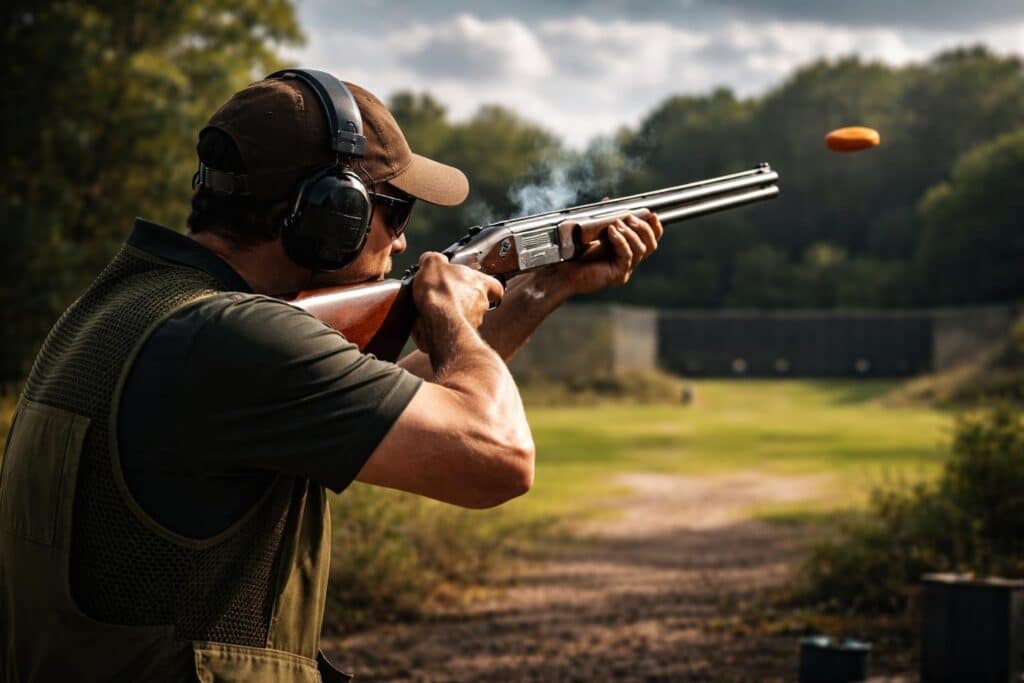
Clay shooting developed as a humane alternative to shooting live pigeons, which was common in the 19th century before being banned in many countries.
Fact 2: Early targets were glass balls
Before clay targets, shooters used glass balls filled with feathers that would burst on impact, showing a successful hit.
Fact 3: Modern clay targets appeared in the 1800s
Clay targets were introduced around the late 1800s as a safer and more practical replacement for earlier target types.
Fact 4: They are not actually made of clay
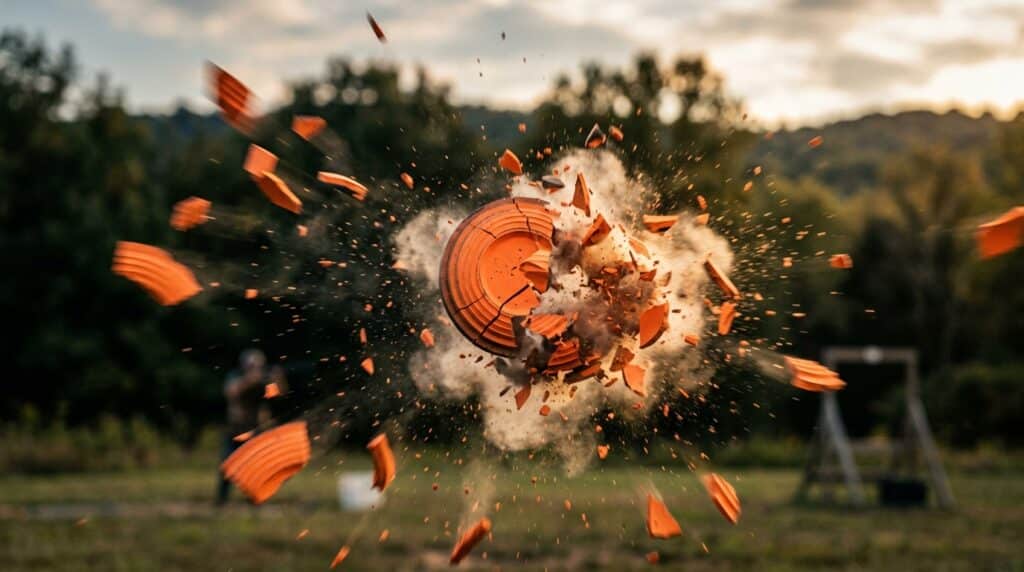
Despite the name, modern clay targets are typically made from limestone and pitch, not traditional clay materials.
Fact 5: The sport has roots in England
Clay shooting became popular in England during the Victorian era and quickly spread internationally.
Fact 6: The word “trap” comes from history
The machines used to launch targets are called traps, a term that originally referred to cages used to release live birds.
Fact 7: Targets are still called “birds”
Shooters often refer to clay targets as “birds,” a term that comes from the sport’s early use of live pigeons.
Fact 8: Targets can reach high speeds
Clay targets are launched at high speeds and varying angles, making them challenging to hit and requiring quick reactions.
This need for quick reactions is similar to fast-paced sports like table tennis.
Fact 9: Some targets travel over 100 metres
Modern traps can launch targets to distances of over 100 metres, depending on the discipline.
Fact 10: There are multiple disciplines
Clay shooting includes several disciplines such as trap, skeet, and sporting clays, each with different target patterns and rules.
Fact 11: It is an Olympic sport
Clay shooting events such as trap and skeet are part of the Olympic Games, showcasing the sport at the highest level.
Fact 12: It requires strong concentration
Shooters must focus intensely to track fast-moving targets and react quickly, making concentration a key skill.
Fact 13: Timing is critical
Success depends on precise timing, as shooters must fire at exactly the right moment to hit the moving target.
Fact 14: It is often compared to golf
Sporting clays is sometimes called “golf with a shotgun” because it involves moving between different shooting stations.
Structured courses like this are also seen in sports such as golf.
Fact 15: It is popular worldwide
Clay shooting is practised across many countries and has a strong following in both recreational and competitive settings.
Fact 16: Safety is a top priority
Strict safety rules are followed at all shooting grounds to protect participants and ensure responsible use of equipment.

Fact 17: It can be enjoyed recreationally
Many people take part in clay shooting as a leisure activity, not just as a competitive sport.
Fact 18: Technology has improved equipment
Modern traps and shotguns are highly advanced, allowing for consistent target release and improved accuracy.

Fact 19: The sport has governing bodies
Organisations such as the Clay Pigeon Shooting Association help regulate and promote the sport.
Fact 20: It continues to evolve
Clay shooting continues to develop with new technologies, formats, and growing global participation.
According to research from Britannica, clay shooting evolved from early target shooting into a modern competitive sport with structured rules and disciplines. View Source →
According to historical sources, clay targets replaced live birds in the late 19th century, leading to the modern form of the sport used today. View Source →
Keep Exploring Sport
If you enjoyed this, you might like exploring the speed of NASCAR racing or the strategy behind cricket. For more, browse our sports facts hub.
Conclusion
These clay shooting facts show why this precision sport continues to attract participants around the world. From its origins to its modern Olympic presence, clay shooting remains a challenging and rewarding activity.
What is clay shooting?
Clay shooting is a sport where participants use shotguns to hit flying targets called clay pigeons. It requires precision, timing, and focus.
When did clay shooting begin?
Clay shooting began in the late 19th century as a replacement for live bird shooting. It quickly became a popular competitive sport.
Is clay shooting an Olympic sport?
Yes, clay shooting disciplines such as trap and skeet are included in the Olympic Games.
Why are they called clay pigeons?
The name comes from the sport’s history of shooting live pigeons. The targets are still called birds even though they are artificial.